


Why Most Beauty Product Launches Fail (And What Successful Ones Do Differently)
Beautytap Admin
Jul 21, 2026
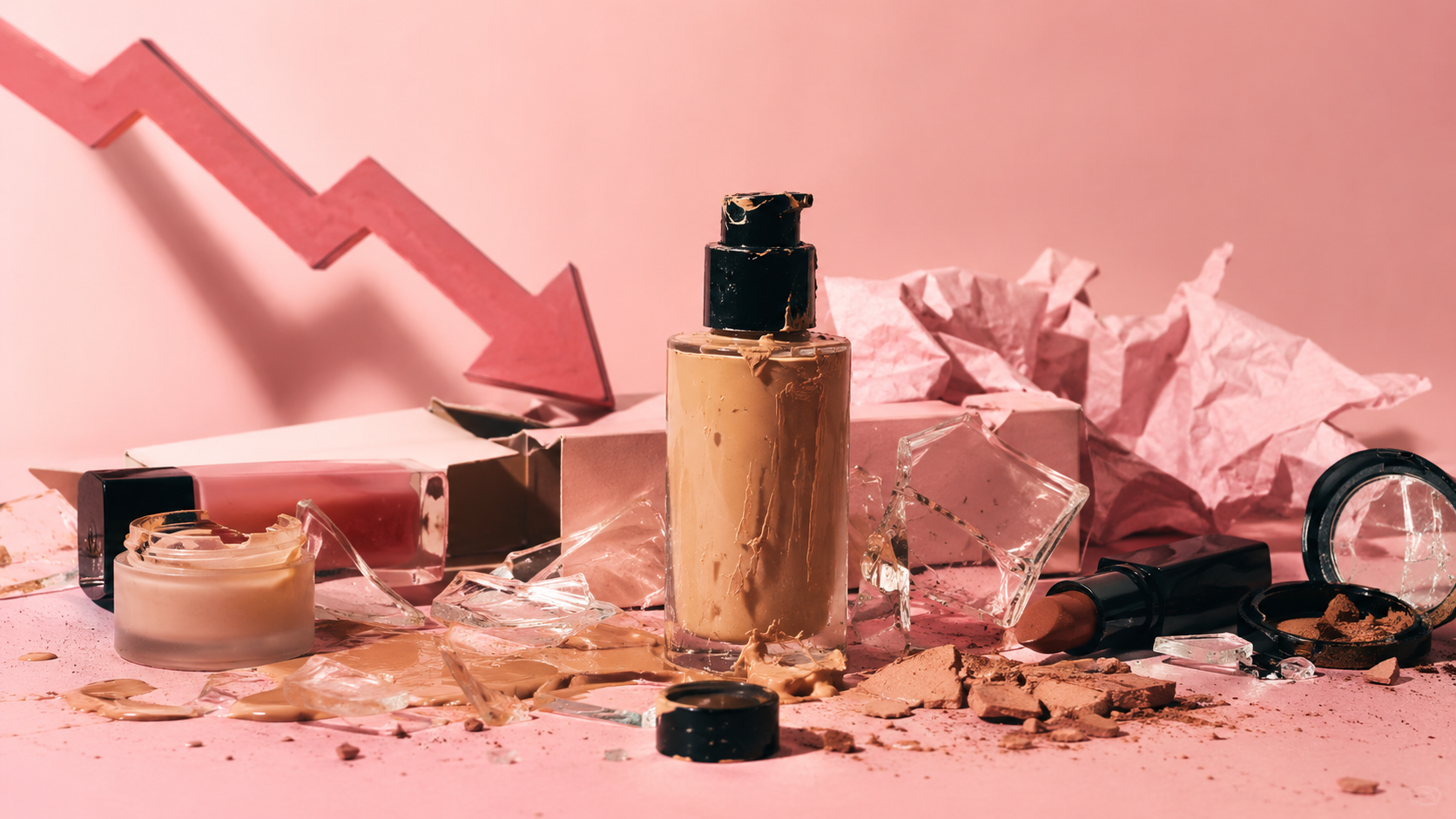
Every year, thousands of beauty products launch with real investment, genuine potential, and high internal expectations — and quietly underperform within 90 days.
This isn't a product quality problem. Most of the products that fail the launch test are genuinely good. The formulas are solid. The packaging is considered. The team believes in what they've built.
The failure almost always happens earlier — in how the launch was planned, sequenced, and supported.
Here is what the data and experience consistently show separates launches that compound from launches that stall.
The most common reasons beauty product launches fail
1. They launch without social proof
Consumers discovering a new product — whether through an ad, a search result, or a retailer page — immediately look for evidence that other people have tried it and trust it. When that evidence doesn't exist, most of them move on.
This is not a reflection of the product. It's how purchasing decisions work. Uncertainty is the enemy of conversion, and reviews — specifically detailed, credible, high-volume reviews — are the fastest way to reduce it.
Brands that treat review generation as a post-launch activity are starting from a deficit. By the time organic reviews accumulate to a meaningful volume, the paid media spend from launch has already been wasted driving traffic to an unconvincing PDP.
What successful launches do instead: They generate substantive reviews before or at the moment of launch, using a structured program with trained reviewers who can articulate results across skin types, use cases, and concern areas. The PDP looks proven on day one.
2. They skip consumer perception research
Positioning a beauty product on a claim that doesn't land is one of the most expensive mistakes a brand can make — and it's entirely preventable.
Most brands conduct some form of internal review before launch. Teams assess the product. Leadership weighs in. The agency presents creative directions. But the people in these conversations are not representative of the consumer who will buy the product. They know too much about it, they're too invested in it, and they're not shopping for it.
Consumer perception research — done with real, vetted beauty consumers before the launch plan is finalized — tells you which benefit claim drives the most purchase intent, where your positioning creates confusion, and what language your actual target consumer uses to describe the problem your product solves.
Without this data, launch positioning is educated guesswork.
What successful launches do instead: They run structured perception studies before committing to creative, claims, or packaging direction. The insights from that research shape every downstream decision — the review brief, the UGC creative, the paid media targeting.
3. Their content doesn't match the consumer's path
A consumer sees an ad. The ad features a creator sharing a before-and-after result. The consumer clicks through to the PDP. The PDP shows studio product photography and brand copy. There is no UGC, no video, no social proof that connects to the expectation set by the ad.
This mismatch is a conversion killer, and it's more common than most brands realize.
The content on a PDP needs to mirror the content that brought the consumer there. If paid media is leading with authentic creator content — which, in beauty, it almost always should be — then the PDP needs to reinforce that authenticity immediately, before the consumer has to scroll.
What successful launches do instead: They plan their PDP content and their ad creative as a connected system, not separate workstreams. The UGC video that performs in paid media also anchors the PDP. The review insights that perform on the PDP inform the ad messaging. Nothing is siloed.
4. They spend on paid media too early
There is a common misconception that paid media should be turned on at launch to generate awareness and drive initial sales. In many cases, this is the worst time to spend heavily.
Paid media amplifies what already exists on the PDP. If what exists on the PDP is an empty review section and generic brand photography, paid media is paying to send traffic to a page that can't convert it. The math never works.
What successful launches do instead: They sequence the spend. Perception research and positioning first. Review generation second. UGC content creation third. Paid media fourth — once there is a PDP worth sending traffic to. This sequencing turns paid media from a launch gamble into a launch accelerant.
5. They measure the wrong things
ROAS and revenue are important, but they're outcome metrics. They tell you what happened. They don't tell you why, or what to change.
Brands that only track these numbers spend weeks or months wondering why launch performance isn't improving, without the diagnostic data to act on.
What successful launches do instead: They track behavioral signals alongside outcomes — PDP scroll depth, UGC video completion rates, review helpfulness engagement, and conversion rate by traffic source. These metrics explain ROAS rather than just reporting it.
What the best beauty launches have in common
Across hundreds of brand campaigns and thousands of product launches in the beauty and wellness space, the patterns that separate strong launches from struggling ones are consistent.
They start earlier. The best launches begin the research and content-generation process 60 to 90 days before launch, not two weeks before.
They use real consumers. Not internal teams, not agency focus groups, not general-market panels. Vetted beauty enthusiasts and professionals who understand the category and can give feedback that is specific, articulate, and actionable.
They think in systems. Research informs positioning. Positioning informs reviews. Reviews inform creative. Creative informs media. Everything is connected, and the team responsible for each piece knows what the others are doing.
They optimize continuously. The launch date is not the finish line. It's the starting gun for a rapid optimization cycle driven by behavioral data, creative testing, and real consumer feedback.
How Beautytap is built for this
Beautytap is the only end-to-end growth partner built exclusively for beauty and wellness brands. That specificity matters. Every tool, every program, and every insight framework is designed for how beauty consumers actually shop and decide — not adapted from a general ecommerce playbook.
The four services work as a connected launch system:
Perception Studies give brands validated consumer data before they commit to positioning, creative, or claims. The research is conducted with Beautytap's 15,000+ vetted community — enthusiasts and professionals with real category knowledge.
Review Rating generates substantive, structured reviews from trained beauty reviewers before or at the moment of launch — so the PDP looks credible from day one, not 60 days after.
UGC Video produces authentic creator content built for conversion — scroll-stopping, platform-ready video that works in paid media and on the PDP simultaneously.
Paid Media scales what's working, with targeting and creative strategy grounded in beauty-category expertise and informed by the perception, review, and content data already in the system.
No other partner connects all four of these functions for beauty brands. That integration is the difference between launching and hoping — and launching and growing.
Want to see how a connected launch strategy works for your product? Book a brand strategy call with Beautytap.